The Escalating Tensions in the Middle East: Analyzing the US-Iran Ceasefire Agreement and Israel’s Position
The geopolitical landscape in the Middle East is undergoing profound transformations following the recent announcement of a ceasefire agreement between the United States and Iran. This development, while heralded as a step toward de-escalation, comes alongside significant tensions involving Israel, particularly under Prime Minister Benjamin Netanyahu’s government. The complexities of this three-party dynamic pose challenges that extend beyond simple ceasefire agreements.
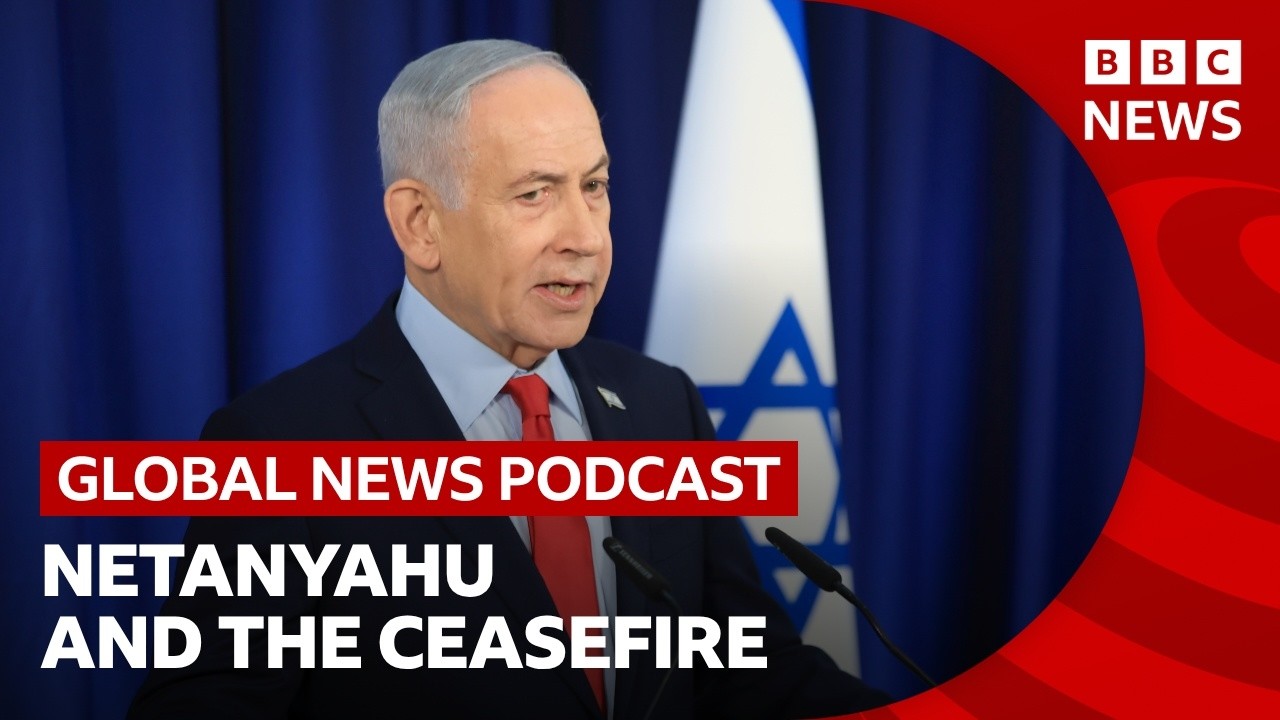
To decode the current situation, it is essential to distinguish between the two primary conflict zones: the confrontation with Iran and the ongoing hostilities with Hezbollah in Lebanon. Netanyahu has consistently emphasized that these conflicts are separate entities, each demanding distinct military strategies and objectives. While the US-Iran ceasefire has the potential to ease tensions, for Israel, the war against Hezbollah remains a priority. Netanyahu’s administration views the recent American mediation as insufficient, especially following Israel’s unprecedented wave of airstrikes in Lebanon that caused significant casualties and destruction just hours after the ceasefire was announced.
The scale of these strikes—around 100 within ten minutes—highlights Israel’s unwavering commitment to its military objectives. From the Israeli perspective, achieving its aims against Iran does not equate to concluding the conflict with Hezbollah, which Netanyahu considers unfinished business. This assertion complicates diplomatic efforts, particularly as Iranian officials maintain that any ceasefire with Tehran should include Hezbollah, potentially entangling American interests in a broader regional conflict.
The upcoming discussions, set for this weekend, may already be jeopardized by Israel’s aggressive actions. Western allies and the European Union have expressed their discontent, labeling the strikes as unacceptable. President Trump faces a critical challenge: how to manage the complicated relationship between the US and Israel while encouraging compliance with the ceasefire agreement. Disruptions by Israel may force the American administration to reconsider its strategy and levels of support for Netanyahu.
Interpreting Netanyahu’s reactions reveals a leader caught in a precarious political landscape. Reports suggest he was not only aware of the potential ceasefire negotiations but was also initially opposed to them, believing they came too soon. His government has thus far failed to accomplish key objectives laid out at the beginning of this conflict, such as dismantling Iran’s nuclear ambitions and undermining its regime. Despite acknowledging some shifts resulting from military actions post-October 7, Netanyahu’s declared victories appear more rhetorical than substantive.
Ideally, both Washington and Tel Aviv aimed for regime change and the dismantling of Iranian nuclear capabilities. However, the realities of the situation emphasize a growing dissonance between strategic goals and achievable outcomes. Trump’s preoccupation with a quick victory contrasts sharply with Netanyahu’s desire for palpable, lasting results. The dynamics between these two leaders reveal differing priorities—one seeking short-term political gains and the other pushing for strategic transformations that may not materialize in the short term.
Domestically, Netanyahu’s standing remains fragile as conflict-induced fatigue grows among the Israeli populace. The recent military campaign against both Iran and Hezbollah may not hold popular support indefinitely, particularly if the government cannot deliver on its promises of security. With elections looming, the opposition’s ability to galvanize criticism against Netanyahu hinges on public dissatisfaction with the ongoing war efforts.
In conclusion, the ceasefire agreement signals a potential for stability, yet the undercurrents of conflict remain potent. As Israeli forces escalate their actions in Lebanon, the fragile balance involving the US, Iran, and Israel grows increasingly complex. President Trump must navigate these treacherous waters carefully, balancing support for Netanyahu with the broader objectives of peace and stability in the Middle East. The pressing question is whether these intricate relationships will permit any meaningful resolution or simply prolong this era of volatility. As the situation unfolds, the world watches with bated breath, aware that each decision made has far-reaching implications.